History
Across nine successful editions hosted in major European cities, we have upheld strict standards through double-blind peer review. This ensures the credibility of the presented work. We provide clear publication pathways in indexed proceedings (with ISBN and DOI) and associated journals, supporting researchers in sharing their advancements with the global academic community. This history documents our consistent focus on quality and international collaboration.
Explore our previous academic conference editions and their highlights.
Policy, Practice, and Lifelong Learning Futures
In Dublin, the focus was on making research useful in the real world. Participants discussed how studies can guide school policies, connect better with classroom teaching, and support learning throughout life. The goal was practical application and future planning in education. The key themes among the works submitted were:
AI, Ethics, Global Education
The Copenhagen meeting explored using technology responsibly and thinking globally. Researchers shared ideas on using AI fairly in schools, new ways to teach online effectively, and how to help students become good citizens of the world. The main themes included works such as:
Student Wellbeing, Equity, and Assessment Innovation
The 7th edition went back to Milan, the attention was on supporting students and finding better ways to check their learning. Important talks covered student mental health, making sure education is fair for everyone, and trying new ways to assess learning beyond standard tests. It explored key themes such as:
Curriculum Design, Teacher Development, and Inclusive Pedagogy
In the 6th edition, the conference looked closely at how teaching works day-to-day. Researchers shared new ideas for planning lessons, better ways to train and support teachers, and methods to make sure classrooms welcome and help all kinds of learners. The key themes explored included:
Educational Technology, Online Learning, and Skill Development
The 5th edition of the WORLDCRE looked at how technology is changing education. Talks covered using new tech tools in class, making online learning better for students, and finding ways to teach the skills needed for today’s jobs. The key themes explored included:
Higher Education Futures, Pedagogy, and Learning Sciences
In the 4th edition of WORLDCRE, the future of learning was investigated. Researchers discussed new ideas for university education, different ways to teach that keep students engaged, and what science tells us about how people learn best. The researchers worked on issues such as:
Assessment, Technology Integration, and Special Education
The 3rd round of the conference focused on checking student progress and providing support. Talks covered better ways to assess learning, how to effectively use technology in teaching, and strategies to help students with special educational needs succeed. Experts from many disciplines and countries, such as Belgium, the Netherlands, Germany, France, the USA, the UK, and other countries, gathered to discuss problems such as:
Remote Learning, Teacher Training, and Educational Psychology
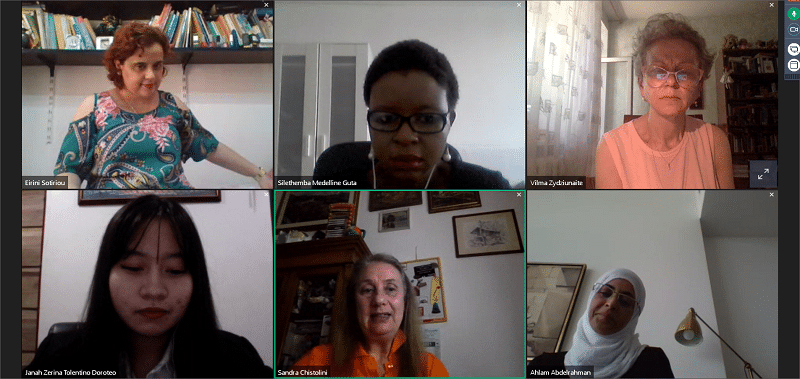
The 2nd edition was during a time of big global changes due to the pandemic, and we discussed new education challenges. We shared research on making remote learning work, training teachers to use digital tools well, and understanding student psychology to offer better support. Experts gathered to discuss issues such as:
Language Acquisition, Curriculum, and Educational Policy
Our first conference started our journey. Researchers focused on important basics like how students learn languages, the best ways to plan what is taught in schools, and how government decisions affect education systems. Experts from diverse disciplines and countries gathered to address issues such as:
This conference history shows WORLDCRE's consistent dedication to quality research. Through our structured peer-review process and focus on relevant educational challenges, each conference has produced valuable proceedings that contribute meaningfully to the field.
The diverse participation from countries across continents has built a strong international network. This collaboration leads to new research partnerships, shared best practices, and helps translate academic findings into practical improvements for schools and learners globally. We invite you to join this ongoing effort.